Pager+
NHS Trusts had to phase out pagers by the end of 2021 and needed a replacement in place by September 2020. A non-urgent bleep still meant finding the right number, dialling it from a landline and guarding that phone until someone called back. Pando had a short-notice tender deadline and no feature to bid with.
Lead designer on a cross-functional squad with a PM, a UX researcher and a visual designer. I ran the research synthesis, journey maps and ideation, set the MVE scope with the squad, and designed every screen.
The Problem
A 1990s workflow still running on every ward.
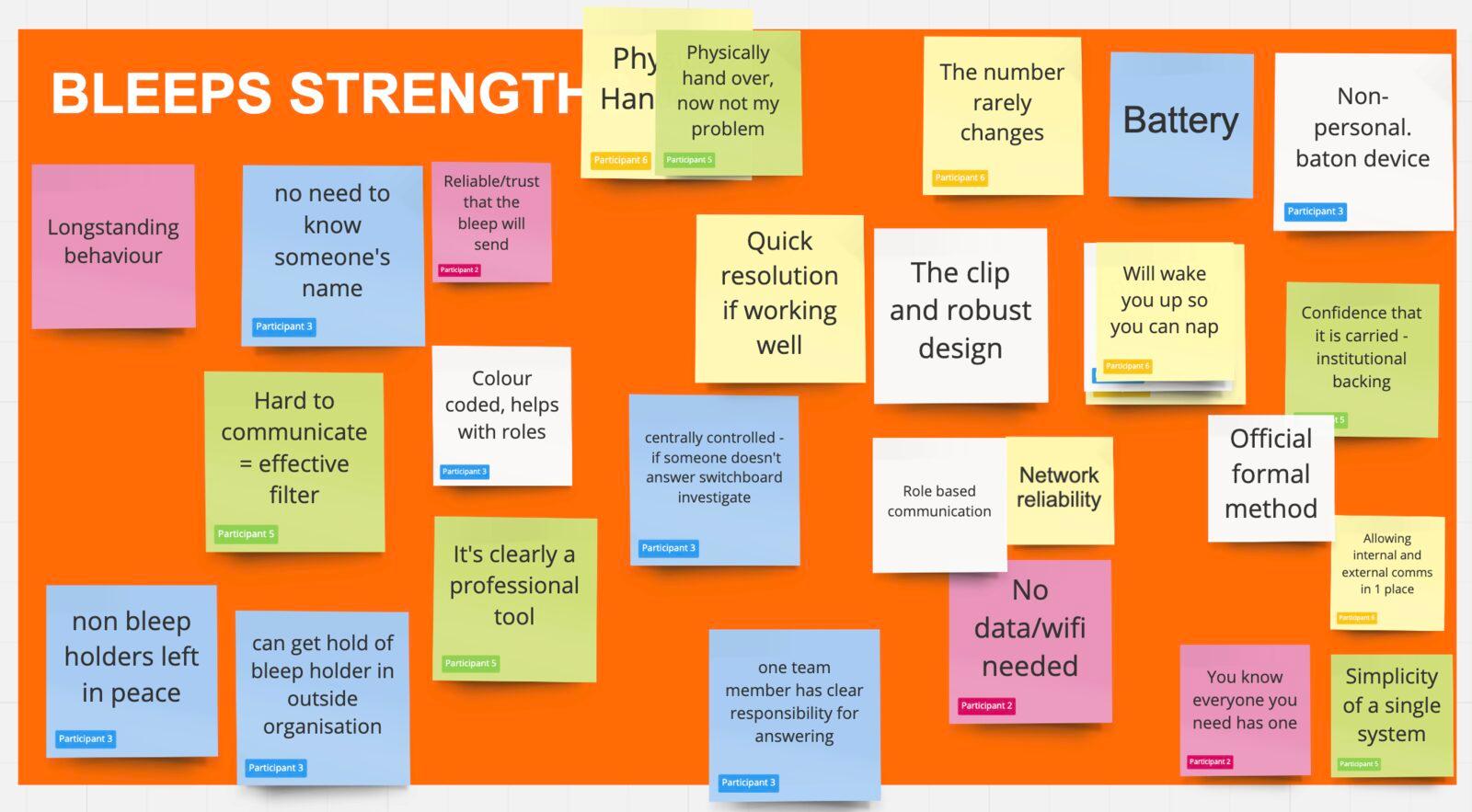
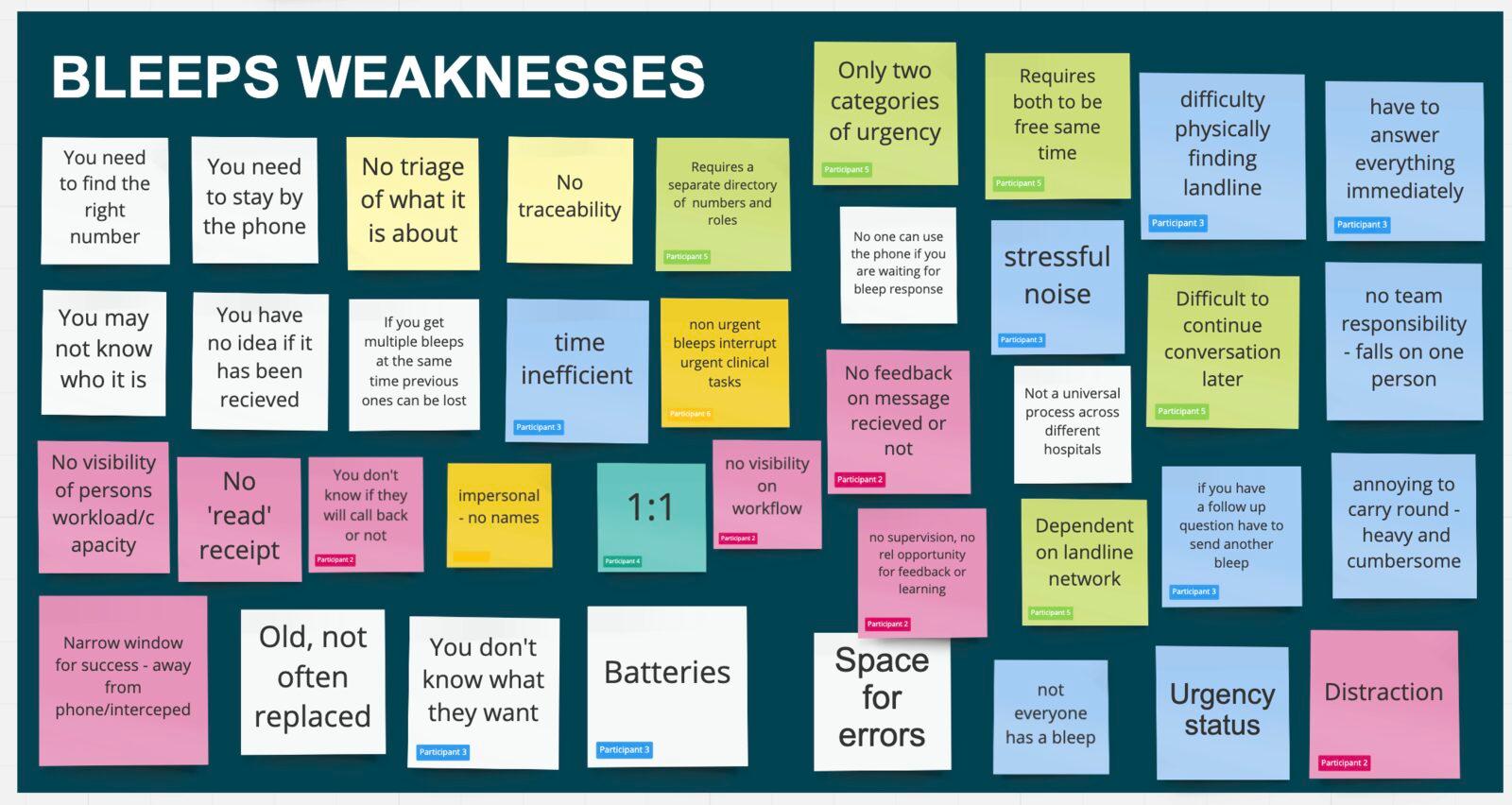
Pando already replaced most hospital comms, but not the pager. We interviewed clinicians on both ends of a bleep, the nurse who pages and the doctor holding the device for a role, and mapped where the time actually goes.
Find
Contact
Wait
Resolve
Look up the bleep number
Contact sheets, ward boards, asking around
Find a free landline and dial
Bleep code + extension. No screen to check it
Stand by that phone
Can’t move, can’t let anyone use it
unknownExplain the request out loud
No record, nothing to hand over
Asked who is on call
Sometimes gives three different numbers
Pager handed over at shift start
A physical device for a role
Beep: a number, no context
Can’t tell if it’s urgent
Stop and find a phone
Mid-task, often on another ward
Answer, then re-explain at handover
Open requests live in their head
The pager wasn’t the problem. The landline loop was.
Clinicians liked pagers. What hurt was finding the number, being tied to a phone, and no context to judge urgency.
Scope
From user needs to a minimum viable experience, fast.
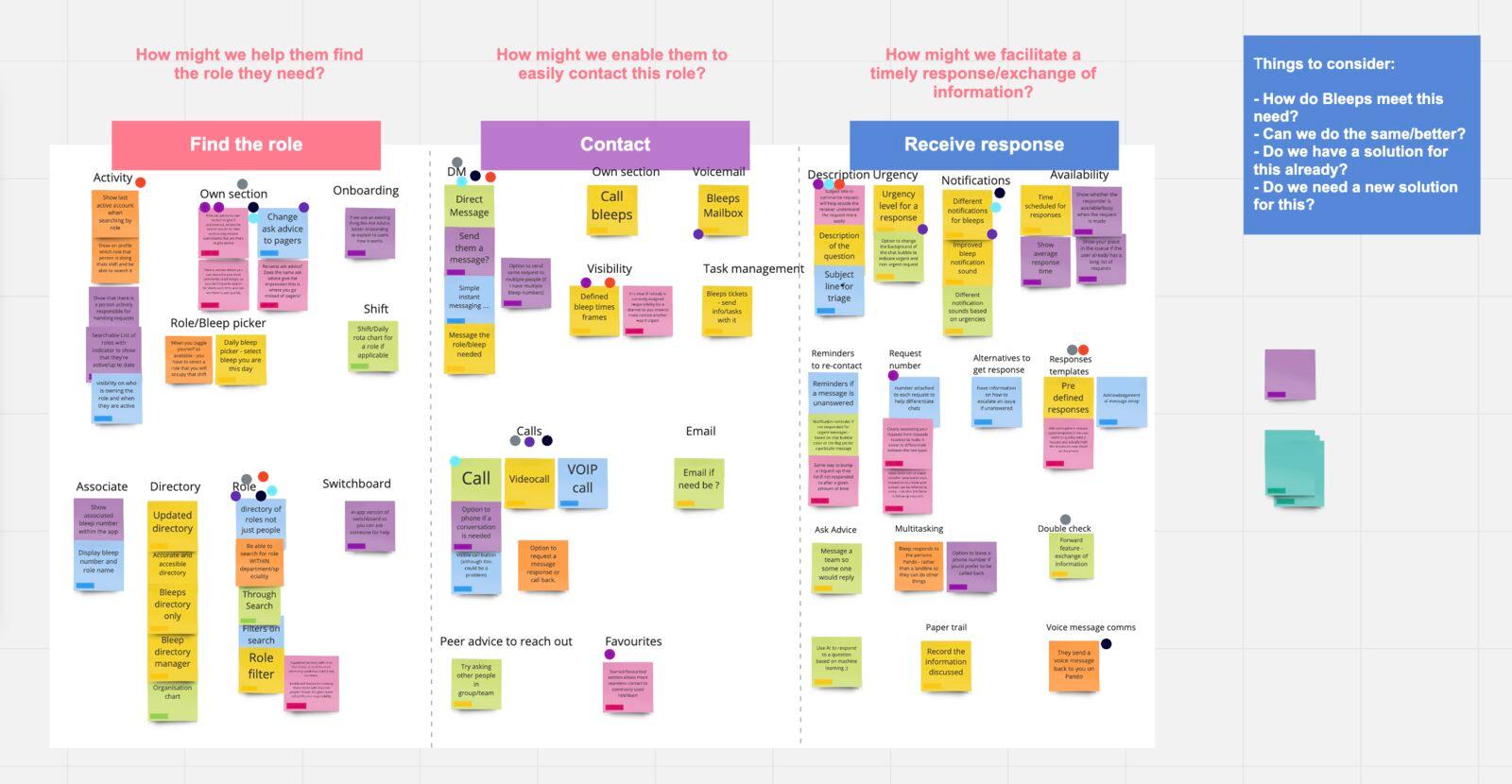
Clinicians sorted the needs into critical and nice-to-have, and the squad voted How Might We ideas across three moments: handing over, receiving and responding. Non-urgent bleeps only, on purpose: crash calls stayed on the emergency bleep because a phone on hospital wifi couldn't yet promise that reliability.
The Design
Four decisions, each answering a broken step in the journey.
A pager belongs to a role, not a person.
One non-urgent page, end to end
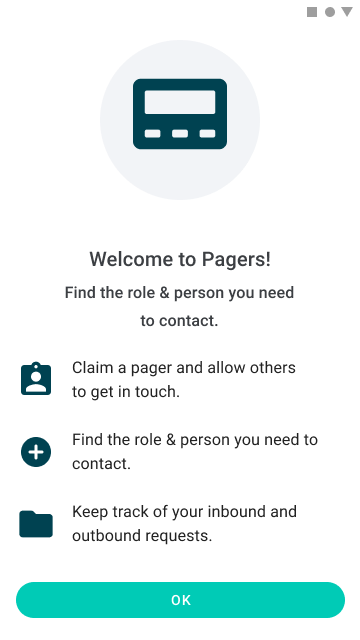
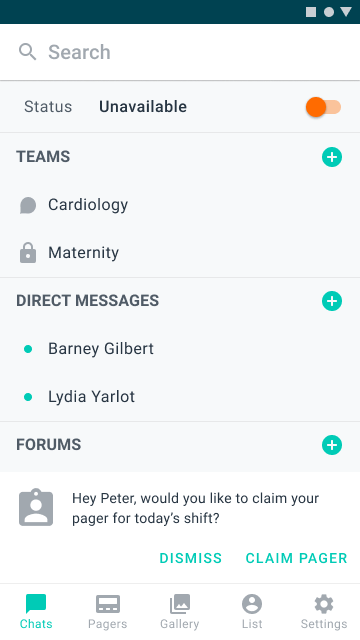
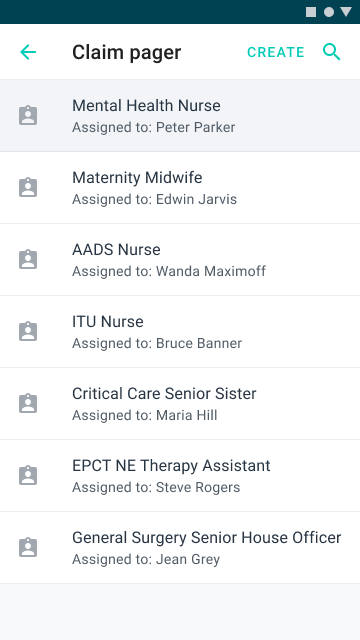
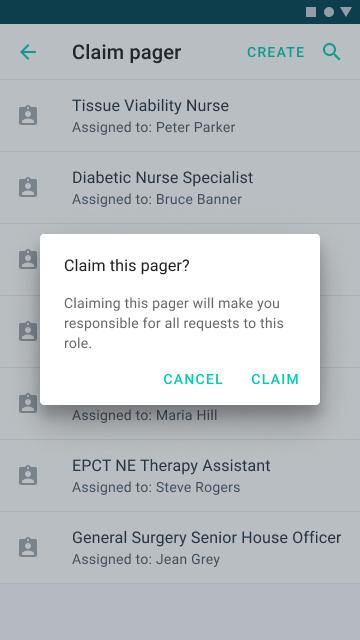
Claim the role at handover
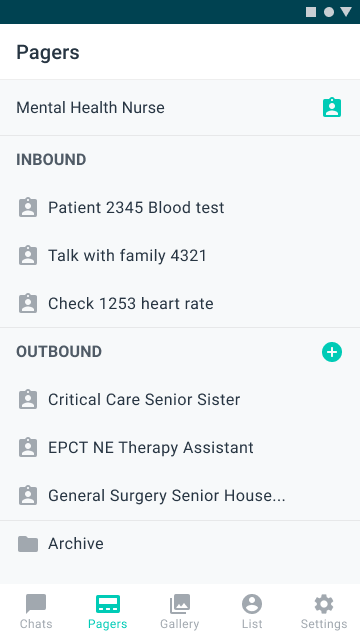
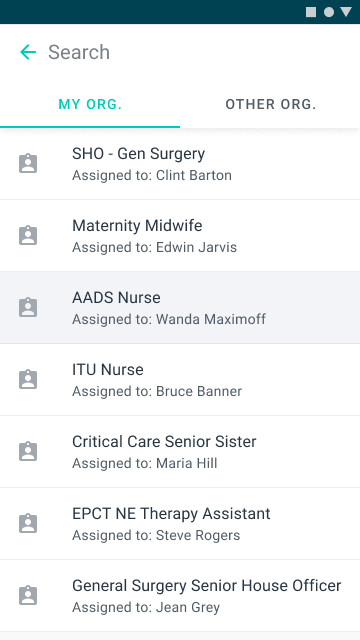
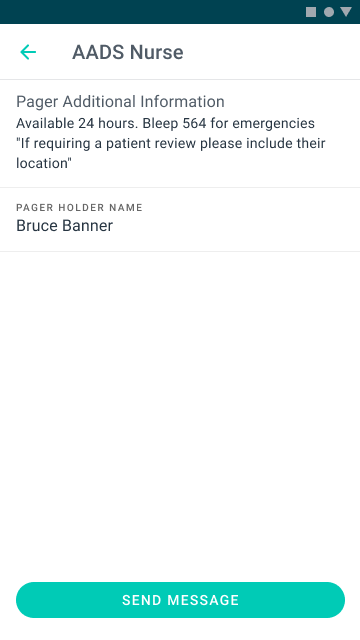
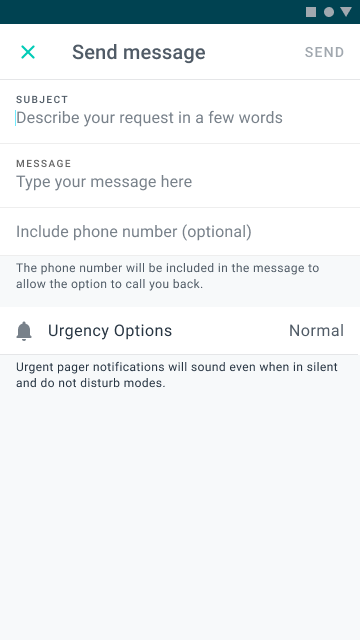
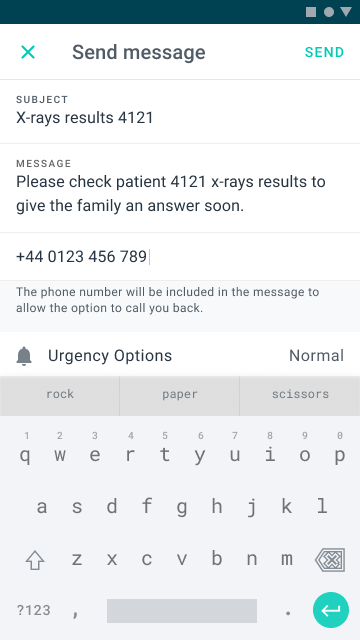
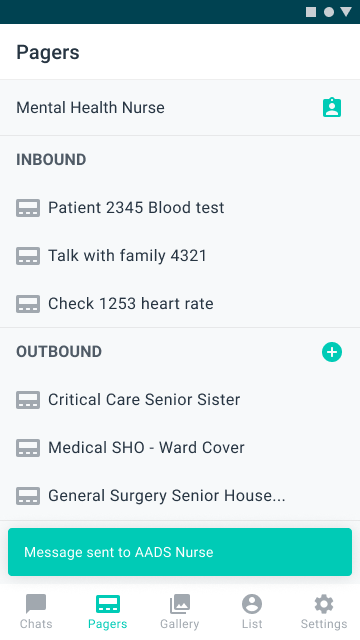
Four decisions, one per broken step. Claim a role, so the directory always shows who holds it. Search a directory, not switchboard. Send context with every page, so the holder can judge urgency. Reply asynchronously in a thread, so nobody waits by a landline and every request leaves a record.
Test and Ship
Five in-house clinicians, then a release plan in four buckets.
5 in-house clinicians tested the prototype with little push back, and surfaced second-phase needs like paging roles in other organisations. We split the backlog into four buckets and released to a pilot Trust within the month. No admin tool needed: each Trust's bleeps became virtual roles.
Outcome
It worked. Nobody switched.
The pilot Trust kept its pagers.
Pager+ didn't make the call-back faster, it removed it. But clinicians at the pilot Trust wouldn't give up a device they trusted, and Pando lost the tender. Our own research had warned us they liked their pagers. We designed the feature, not the switch.
What I’d do differently
Run Pager+ alongside pagers and retire bleeps one role at a time. Test with ward clinicians outside Pando, who would have shown adoption was the real risk. Bring QA in from day one.